7 Powerful Facts About AI Military Drones and the Future of Modern Warfare
Introduction
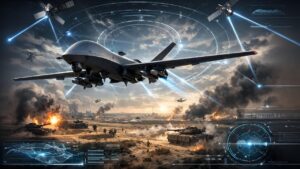
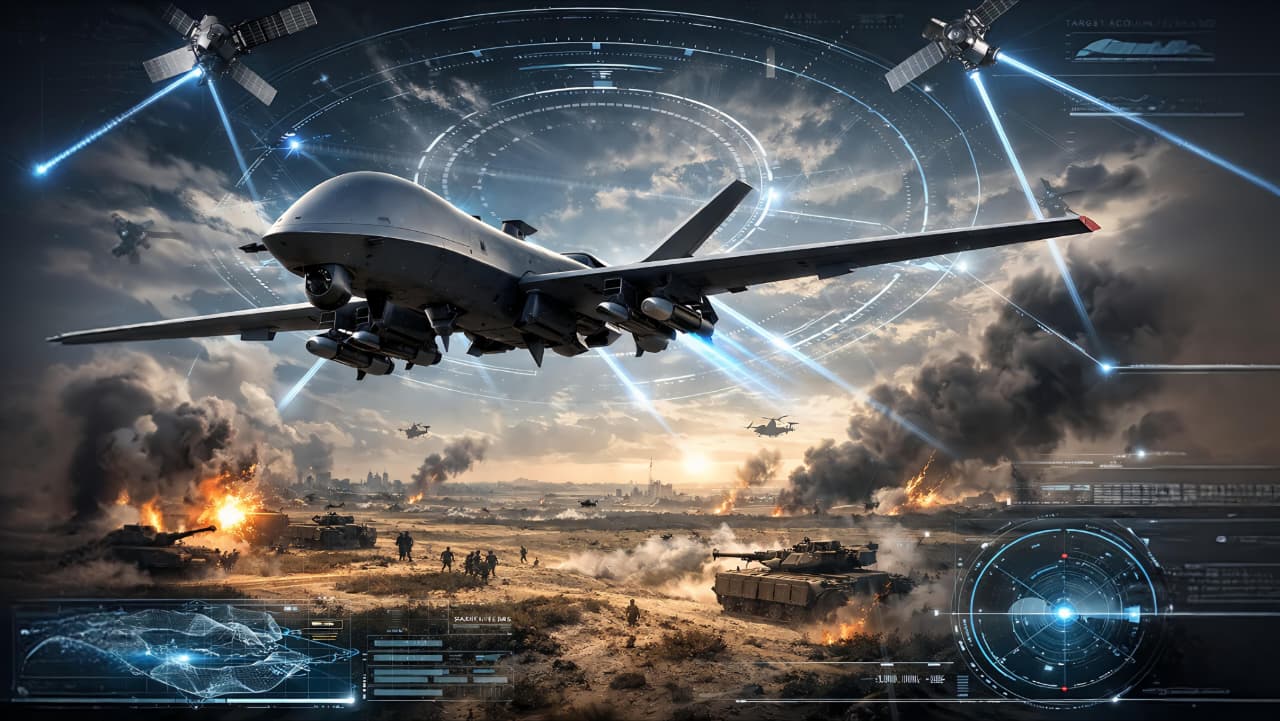
Military technology has changed dramatically over the past few decades, and drones have become one of the most important tools used in modern defense systems. Among these innovations, AI military drones are attracting global attention because they combine artificial intelligence with unmanned aerial systems to perform complex missions.
Traditional military drones already allow operators to monitor battlefields, gather intelligence, and conduct targeted operations from a distance. However, when artificial intelligence is integrated into these systems, drones gain new capabilities such as autonomous navigation, intelligent data analysis, and real-time decision support.
Today, many defense organizations and technology companies are exploring how AI military drones can improve surveillance, reduce risks to soldiers, and increase operational efficiency. While these systems offer significant advantages, they also raise important questions about ethics, security, and international regulations.
This article explores the most important facts about AI-powered military drones, how they work, where they are used, and why they are shaping the future of modern warfare.
To understand how AI is used in aerial combat systems, you can also read our detailed guide on AI Military Drones and their role in modern warfare.
What Are AI Military Drones?
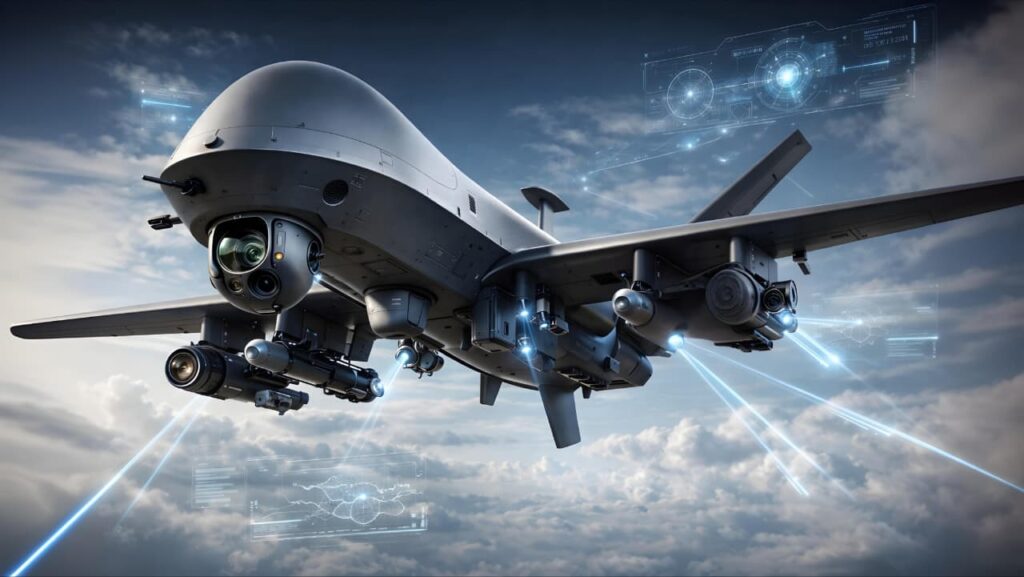
AI military drones are unmanned aerial vehicles equipped with artificial intelligence technologies that allow them to process information, recognize objects, and assist with decision-making during missions.
Unlike conventional drones that rely heavily on direct human control, AI military drones use algorithms, sensors, and machine learning models to analyze data collected from cameras, radar, and other onboard systems.
These technologies allow drones to perform several tasks more efficiently, including:
Automatic navigation using GPS and sensors
Identifying objects or vehicles through computer vision
Monitoring large geographic areas
Assisting operators with threat detection
Although AI helps automate many processes, most military systems still require human oversight to authorize critical actions.
How Artificial Intelligence Improves Military Drones
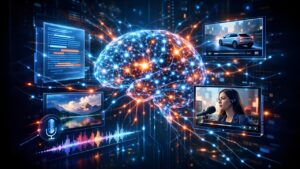
Artificial intelligence significantly enhances the performance of modern drones by improving how they process data and respond to their environment.
One of the most important improvements is real-time data analysis. Military drones often collect massive amounts of visual and sensor data. AI algorithms can quickly analyze this information to identify patterns or detect unusual activities that might indicate potential threats.
Another key improvement is autonomous navigation. AI systems can help drones travel long distances, adjust flight paths, and avoid obstacles without constant manual control.
AI can also assist with target recognition, where computer vision models analyze video feeds to identify vehicles, equipment, or other objects of interest. These features allow operators to make faster and more informed decisions during missions.
Applications of AI Military Drones in Modern Defense
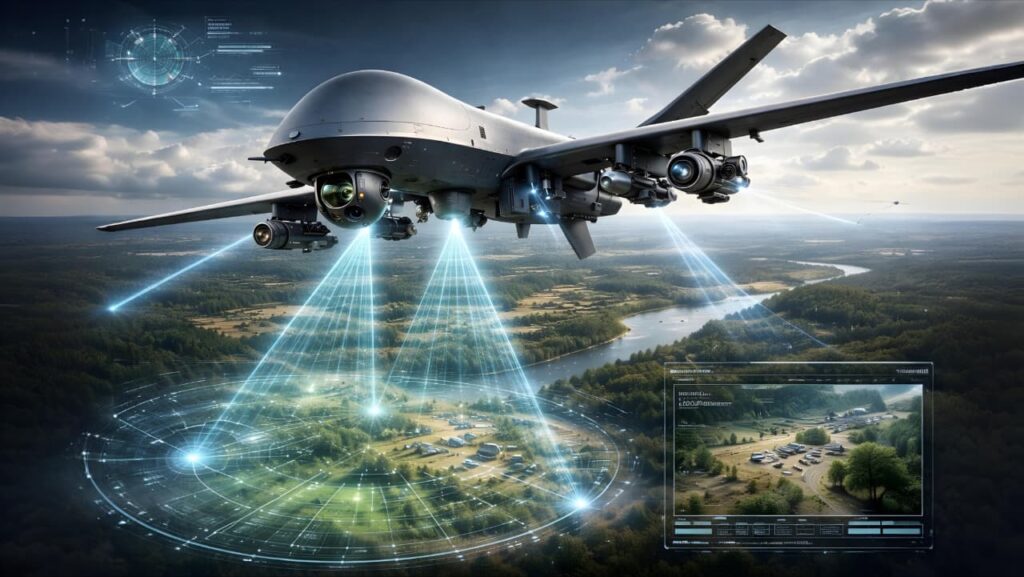
AI-powered drones are used in several areas of modern defense operations. One of the most common uses is surveillance and reconnaissance. Drones can monitor borders, coastlines, and remote areas while sending real-time data back to command centers.
Another application is disaster assessment and search operations. In certain situations, drones can help locate survivors after natural disasters or provide aerial assessments of damaged infrastructure.
AI military drones are also used for strategic monitoring, where they observe large regions and provide intelligence reports based on collected data.
These systems allow military organizations to gather information quickly while minimizing risks to personnel.
Advantages of AI Military Drones
There are several reasons why governments and defense organizations are investing in AI drone technology.
One major advantage is reduced risk to soldiers. Drones can operate in dangerous environments without putting human pilots directly in harm’s way.
Another benefit is continuous monitoring. Drones equipped with AI systems can remain operational for long periods while collecting and analyzing information.
AI also improves operational efficiency by helping analysts process large datasets more quickly. Instead of reviewing hours of footage manually, AI tools can highlight important events or movements that require attention.
These advantages make AI military drones valuable tools for surveillance, intelligence gathering, and situational awareness.
Challenges and Ethical Concerns
Despite their benefits, AI military drones raise several important concerns.
One of the biggest challenges is ethical responsibility. Many experts believe that human oversight should remain essential in any system capable of making critical decisions.
Another concern involves cybersecurity. Since drones rely on digital communication systems, they must be protected against hacking, signal interference, or other cyber threats.
There are also discussions about international regulations and how autonomous technologies should be governed globally. Policymakers, researchers, and international organizations continue to debate the best ways to regulate emerging AI military technologies.
The Future of AI Military Drone Technology
As artificial intelligence continues to evolve, the capabilities of military drones are expected to expand as well. Future developments may include improved autonomy, better data analysis, and more advanced coordination between multiple drones.
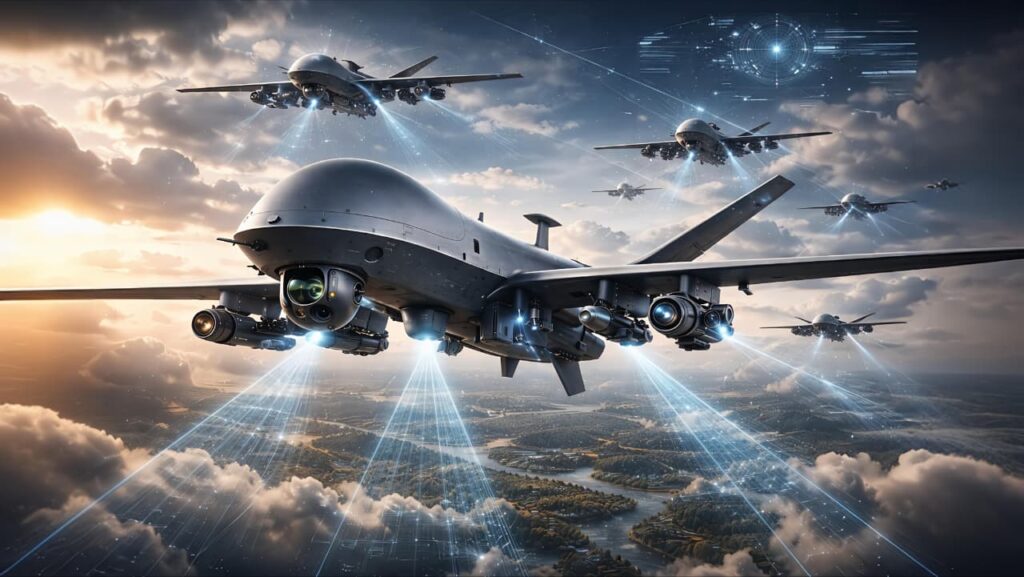
Researchers are exploring technologies such as drone swarms, where multiple drones cooperate to complete missions more efficiently. AI systems can help coordinate these groups and allow them to share information in real time.
Advances in sensors, communication networks, and machine learning will likely make AI military drones even more capable in the coming years.
However, future development will also require responsible policies to ensure that these technologies are used safely and ethically.
Conclusion
AI military drones represent a major step forward in modern defense technology. By combining artificial intelligence with unmanned aerial systems, these drones can collect information, analyze data, and support decision-making in ways that were not possible before.
While the technology offers significant benefits such as improved surveillance and reduced risk to soldiers, it also raises important questions about ethics, cybersecurity, and global regulations.
As research continues and technology advances, AI military drones will likely remain an important part of the evolving landscape of modern defense systems.
Learn more about advanced drone technology at https://www.northropgrumman.com
FAQ
What are AI military drones?
AI military drones are unmanned aerial vehicles that use artificial intelligence to analyze data, assist with navigation, and support mission operations.
Are AI military drones fully autonomous?
Most current systems still require human supervision. AI mainly assists with navigation, data analysis, and object recognition.
Why are AI drones important in modern warfare?
They help monitor large areas, gather intelligence, and reduce risks to human personnel during dangerous missions.
Can AI drones operate without human control?
In many cases, human operators still oversee operations to ensure safety and accountability.
What is the future of AI military drones?
Future developments may include better autonomy, drone swarms, improved sensors, and more advanced AI decision-support systems.