
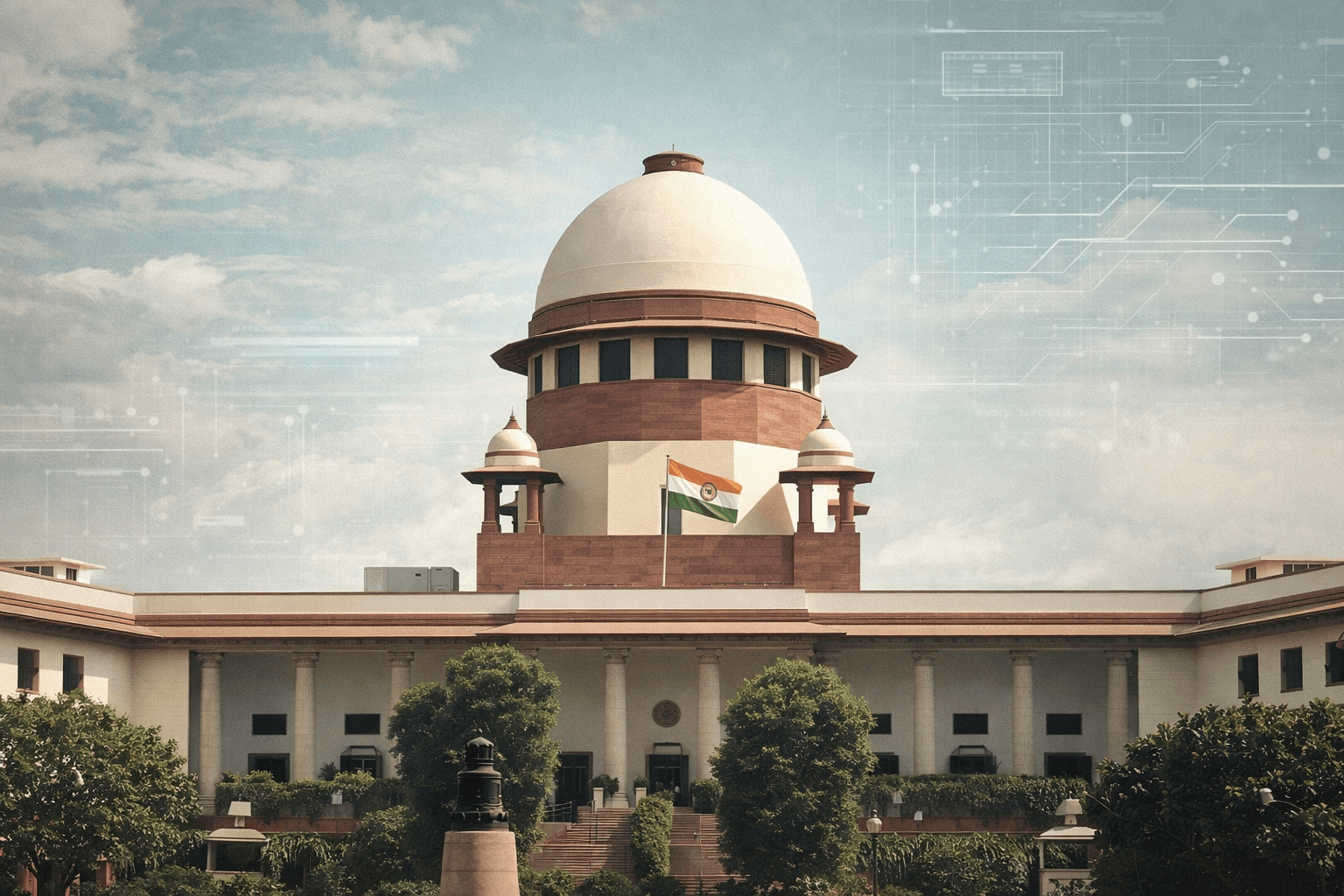
Key Hearing on WhatsApp Privacy Policy Held by Supreme Court
New Delhi | February 5, 2026

The Supreme Court of India recently heard a petition in respect of WhatsApp’s privacy policy, which has attracted a lot of attention as there is a concern about user data protection and digital privacy.
During the hearing, the Court was said to have emphasised on the idea that the right to privacy is a fundamental right guaranteed by the Indian Constitution. According to media reports, the bench observed that personal data of citizens must be dealt with utmost care and must not be compromised under any circumstances.
The judges are reportedly said to have asked questions about certain aspects of WhatsApp’s privacy policy, especially whether the users are given any meaningful choice when accepting the terms. Reports indicate that the court considered whether the policy is based on a “take-it-or-leave-it” policy that could result in less than a true user consent.
In response, WhatsApp and its parent company Meta reportedly clarified that user messages are protected using end-to-end encryption and message content isn’t shared. The company said this policy explains that any data sharing referred to in the policy is restricted to technical and usage-related data and excludes private conversations.
The case has also helped to put renewed focus on how digital platforms communicate their privacy policies to the user and whether or not the privacy policies are easy to comprehend for the general public. According to a number of legal observers, this case is likely to be significant in setting the parameters for application of the data protection rules in all parts of India’s growing digital sector.
At present, the matter is still sub judice and no final verdict on the same is delivered. Further hearings are likely, in which time more submissions and clarifications can be made before the court.
The final outcome of the case is expected to have an impact on the interpretation of data protection norms in the Indian fast growing digital industry, according to legal observers.
Disclaimer
This article is based on information provided by several media reports.
The above-mentioned details are based on the given observations and submissions and the final outcome is subject to the judgment of the Supreme Court.