
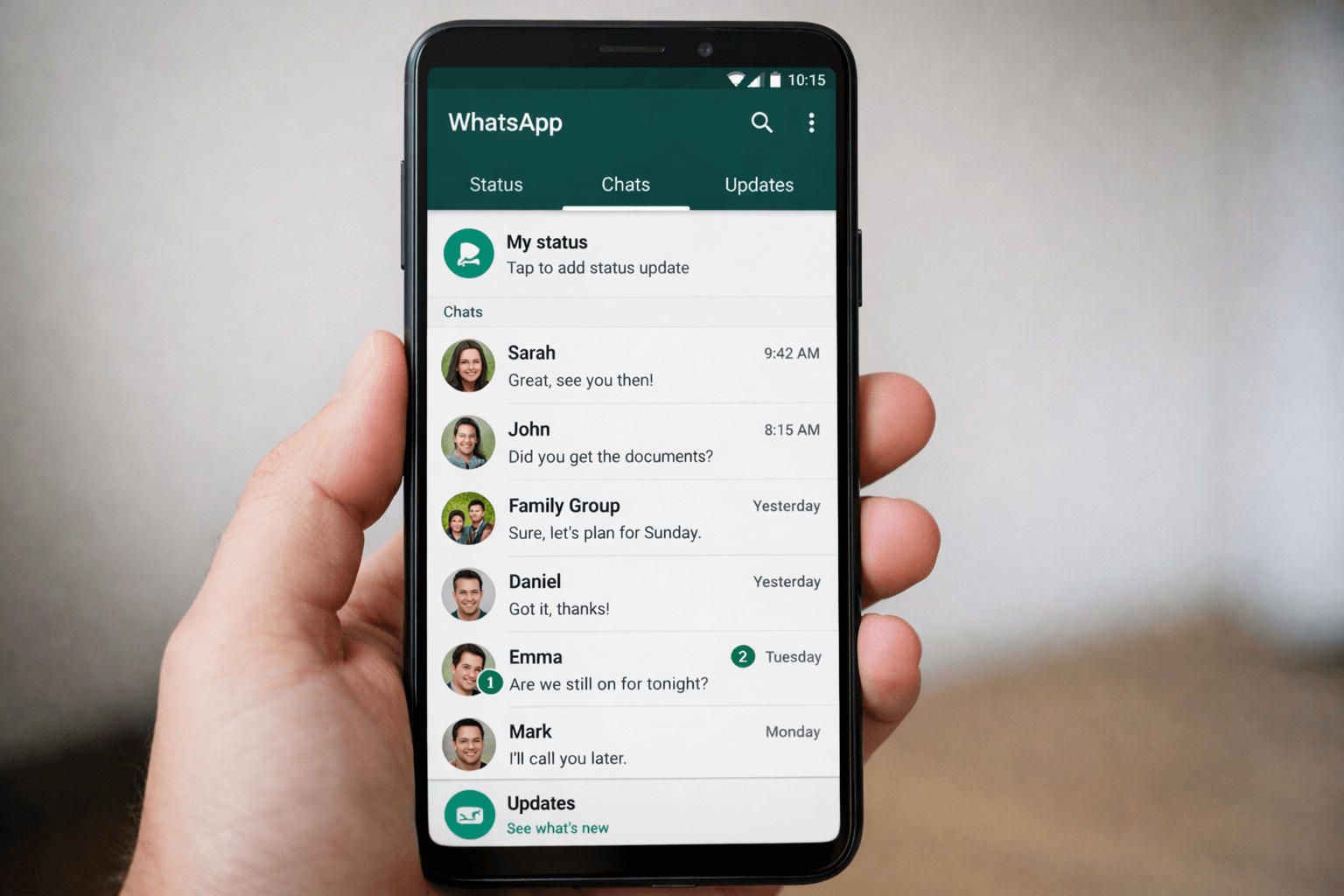
WhatsApp continues to evolve far beyond its original identity as a simple messaging app. Over the last few years, the platform has introduced several meaningful updates focused on privacy, media quality, group communication, and user control. Alongside these released improvements, WhatsApp is also quietly testing a range of new tools that are expected to shape how users share updates and manage conversations in the future.
According to updates shared on WhatsApp’s official blog, the platform is actively testing new features focused on privacy, status control, and improved user experience.
In this article, we take a detailed look at WhatsApp upcoming features, along with recently released updates that users should already be aware of. Each feature is explained clearly, without speculation or rumors, focusing only on confirmed rollouts and beta-tested developments.
Recently Released WhatsApp Features
Before diving into what is coming next, it is important to understand the features that WhatsApp has already released in recent updates. These improvements set the foundation for many of the upcoming changes.
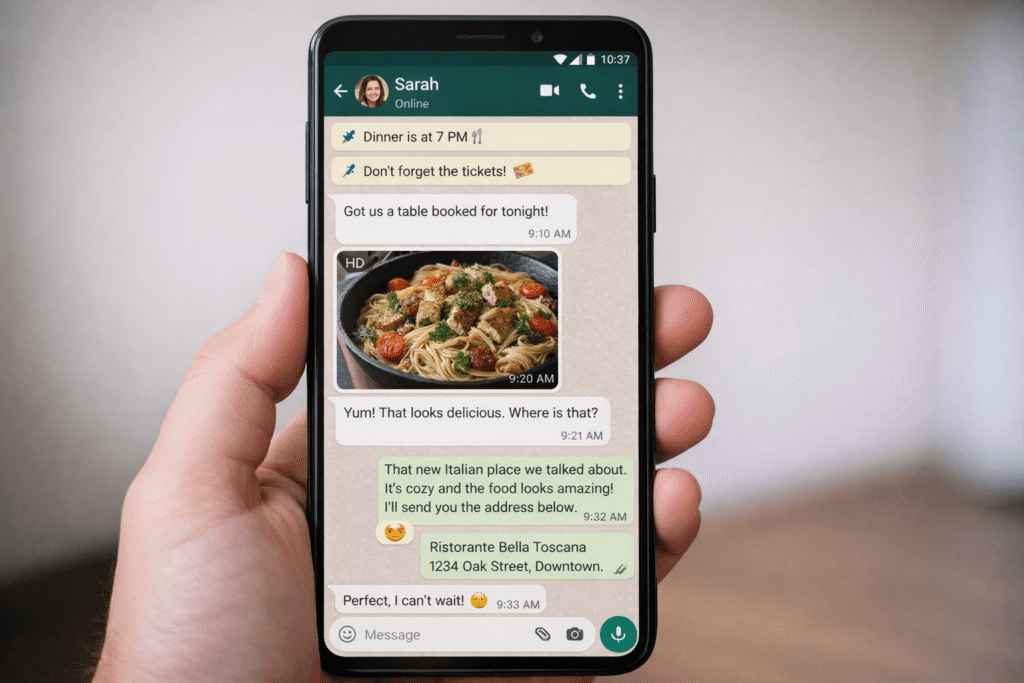
Pinned Messages in Chats and Groups
WhatsApp now allows users to pin important messages at the top of individual chats and group conversations. This feature is especially useful for group announcements, meeting links, rules, or frequently referenced information. Instead of scrolling through long message histories, users can quickly access pinned content at any time.
HD Photo and Video Sharing
One of the most requested upgrades was better media quality. WhatsApp now gives users the option to send photos and videos in HD quality. While standard media sharing still uses compression to save data, the HD option preserves clarity and detail, making it ideal for important images and high-quality videos.
Status Reactions
Status reactions allow users to respond to status updates using emojis instead of sending a full reply message. This makes interactions quicker and less intrusive, especially for casual responses. It also helps reduce unnecessary chat clutter while still keeping engagement active.
Group Voice Chats
WhatsApp introduced voice chats for groups as an alternative to traditional group calls. Unlike regular calls, voice chats do not ring all members. Users can join or leave at any time, making it suitable for large communities, casual discussions, and ongoing conversations.
Users can also explore our detailed guide on WhatsApp Recent Updates to learn more about recently released features.
Missed Call Voice and Video Messages
If a call goes unanswered, users can now leave a voice or video message immediately. This feature improves communication flow and removes the need to send a separate follow-up message after a missed call.
WhatsApp Upcoming Features in Testing Stage
The next phase of WhatsApp’s evolution focuses heavily on privacy, customization, and smarter content sharing. These WhatsApp upcoming features are currently being tested in beta versions and are expected to roll out gradually.
Custom Status Lists
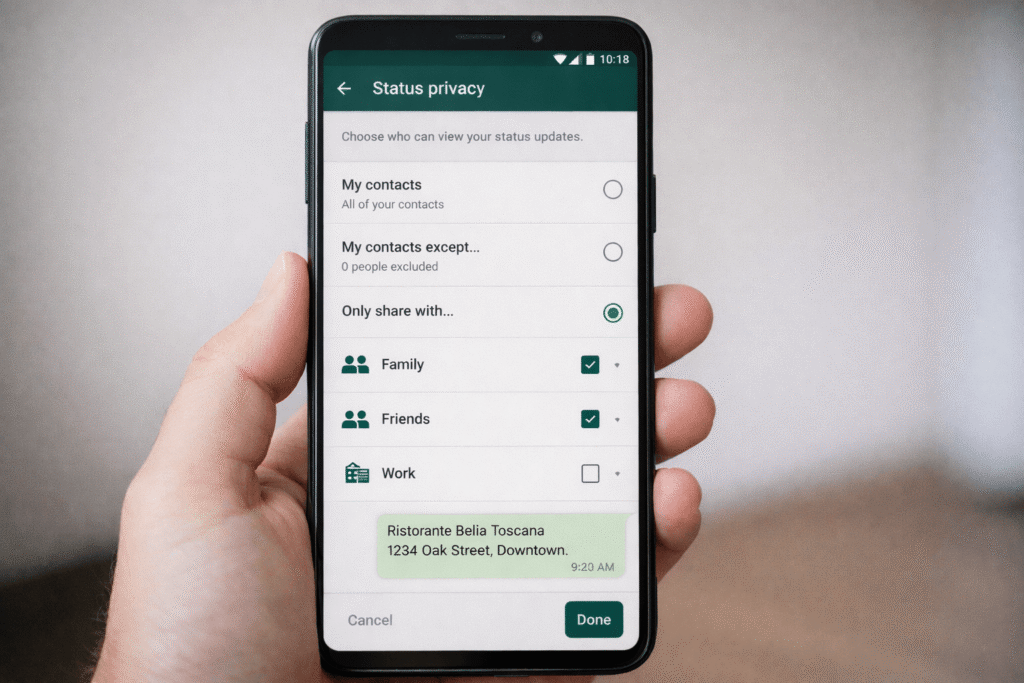
One of the most significant upcoming changes is the introduction of custom status lists. This feature allows users to decide exactly who can see a specific status update. Instead of relying only on general privacy settings, users can create multiple lists such as family, close friends, or work contacts.
When posting a status, the user simply selects the relevant list. This makes status sharing more intentional and reduces the need to constantly change privacy settings.
Privacy controls continue to evolve across messaging platforms. Read our article on Supreme Court WhatsApp Privacy Policy Review for additional privacy insights.
Dedicated Close Friends Status
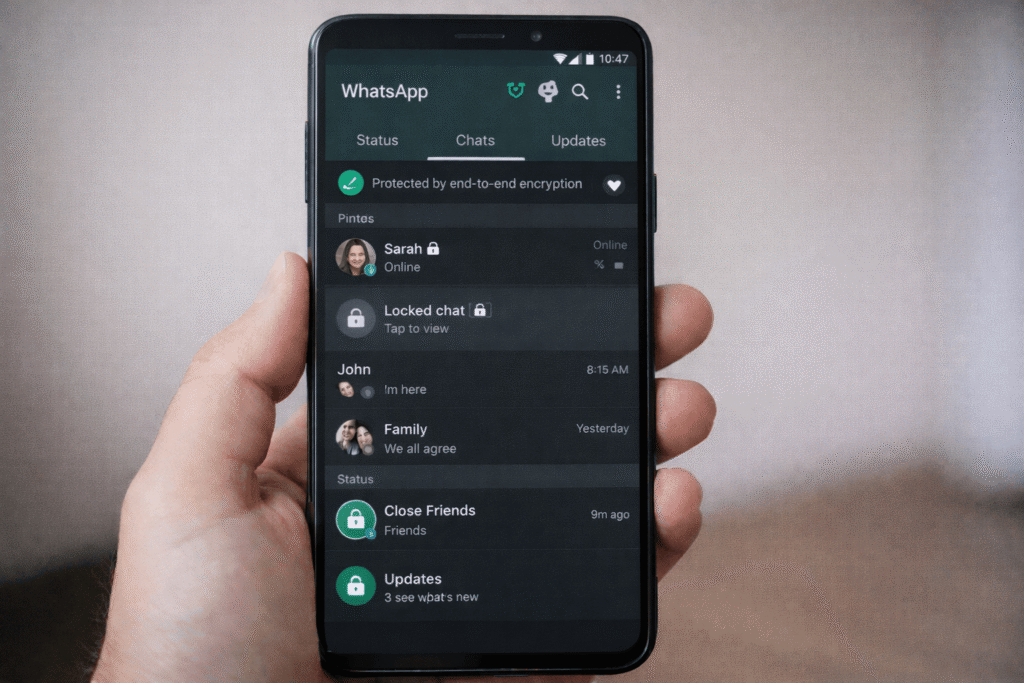
In addition to custom lists, WhatsApp is testing a dedicated “Close Friends” option for status updates. This works as a separate status audience specifically designed for private or personal updates. Content shared through this option is visible only to selected contacts, making it ideal for moments users do not want to share publicly.
Custom Names and Emojis for Lists
To improve usability, WhatsApp is also testing the ability to rename status lists and assign emojis to them. This visual customization helps users quickly identify the correct audience while posting a status and adds a personal touch to privacy management.
Status Privacy Selection During Posting
Currently, users must visit privacy settings to control who can view their status updates. Upcoming updates simplify this process by allowing users to choose the audience directly on the status creation screen. This saves time and reduces mistakes when sharing sensitive content.
Visual Indicators for Private Status
Another feature under testing is a visual indicator for private status updates. When someone views a close friends or limited-audience status, a different colored ring may appear around the profile picture. This helps viewers instantly recognize that the status is not public.
Media and Content Creation Improvements
WhatsApp is also focusing on improving how users create and manage media.
Media Drafts
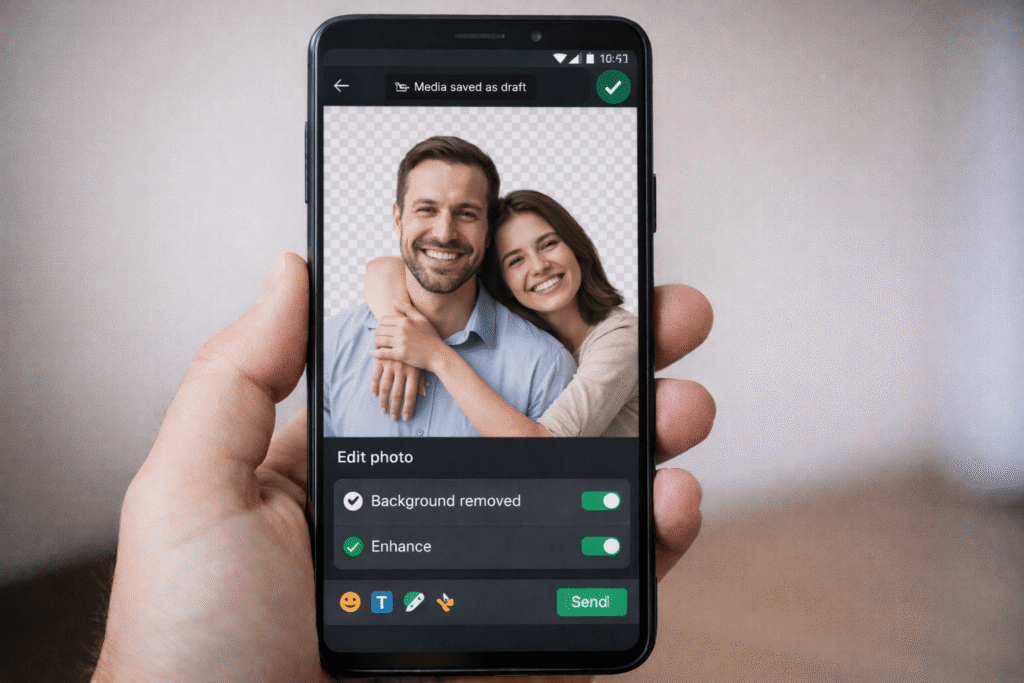
With the media drafts feature, users can start editing a photo or video and exit without sending it. The unfinished content is saved automatically as a draft, allowing users to return later. This is especially helpful for status creation and long captions.
AI-Powered Image Tools
WhatsApp is testing AI-based image editing tools to enhance photos before sharing. These tools may include background removal, image enhancement, and creative adjustments. The goal is to make content creation easier without relying on third-party apps.
Readers interested in Meta’s broader AI initiatives can learn more through the official Meta AI platform.
AI-powered media tools are becoming increasingly common. Learn more in our AI Photo Editing Prompts guide.
Storage and Performance Enhancements
Managing storage has always been a challenge for heavy WhatsApp users. Upcoming improvements aim to address this issue.
Advanced Storage Cleanup
WhatsApp is working on smarter storage management tools that can identify large files, suggest deletions, and help users free up space more efficiently. This is particularly useful for users in active group chats where media accumulation is common.
Users facing performance issues can also read our guide on Phone Overheating Causes and Fixes.
Subscription and Premium Testing
WhatsApp is also experimenting with optional paid subscription models. These are not mandatory and are expected to target advanced users or businesses. Potential benefits may include enhanced customization, premium tools, or advanced admin controls. Regular users will continue to have access to core messaging features for free.
Privacy Logic and User Control
A key aspect of WhatsApp upcoming features is improved privacy logic. When users modify status lists, the changes apply only to future updates. Previously viewed statuses remain visible until they expire. This approach avoids confusion and maintains consistency in content access.
Who Will Get These Features First?
Most upcoming features are initially released to beta users on Android and iOS. After testing stability and gathering feedback, WhatsApp gradually rolls them out to the general public. Availability may vary by region and device.
nformation about beta testing programs and early feature access is often available through the official WhatsApp Help Center.
What Can Change Before Final Release?
Because these features are still in testing, some elements such as design, icons, or behavior may change. In some cases, WhatsApp may decide not to release a feature at all. This is a normal part of the beta testing process.
Conclusion
WhatsApp is clearly moving toward a more controlled, privacy-focused, and feature-rich platform. From custom status audiences to AI-powered media tools, the direction is centered on giving users more flexibility without compromising simplicity.
As these WhatsApp upcoming features continue to roll out, users can expect a more personalized experience that fits both personal and professional communication needs. While not all features will arrive at the same time, the overall roadmap shows WhatsApp’s commitment to long-term improvement and user trust.
For additional hidden capabilities and productivity tips, check out our guide on Hidden WhatsApp Features.
FAQ
What are WhatsApp upcoming features?
WhatsApp upcoming features include custom status lists, close friends status sharing, AI-powered image tools, media drafts, and improved privacy controls.
When will WhatsApp upcoming features be released?
Most upcoming features are first tested in beta versions before being gradually released to all users.
Are WhatsApp upcoming features available for Android and iPhone?
Yes. Most new WhatsApp features are expected to be released on both Android and iOS devices.
Will WhatsApp introduce AI-powered tools?
WhatsApp is currently testing AI-based image editing and content creation tools that may be released in future updates.
Can WhatsApp users control who sees their status updates?
Yes. Upcoming privacy features will allow users to create custom status audiences and close friends lists.